


Why Peppermint Is One of My Favorite Herbs

Updated: Jul 24
When most people think of peppermint, they picture candy canes, chewing gum, or a refreshing cup of tea. But peppermint is so much more than a familiar flavor—it's one of the most versatile herbs in natural medicine, and one I find myself recommending often.
Whether it's helping soothe digestive discomfort after a meal, easing a tension headache, cooling the discomfort of a hot flash, or calming the itch of a mosquito bite, peppermint has earned a permanent place in my home and in my practice.
One of the things I love most about herbal medicine is that many of the plants we use today have stood the test of time. Peppermint is a perfect example. It's been valued for centuries in traditional healing systems, and modern research continues to support many of its traditional uses.
While peppermint isn't a cure-all, it is one of those simple, practical herbs that can support your health in many different ways.
What Makes Peppermint So Special?
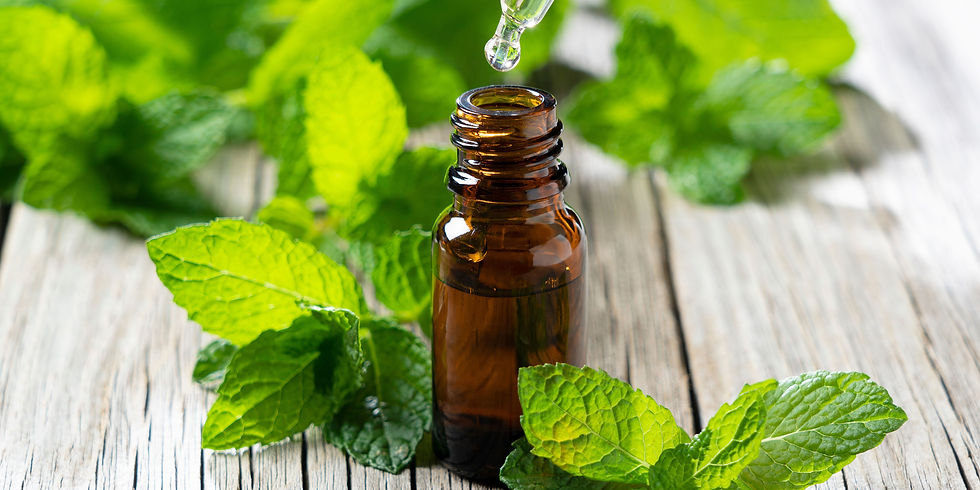
Peppermint (Mentha × piperita) is a natural hybrid of watermint and spearmint. Its refreshing aroma and cooling sensation come from menthol, one of its primary active compounds.
In Traditional Chinese Medicine, peppermint—known as Bo He—has long been used to help release Wind-Heat, benefit the head and eyes, and support the body during the early stages of seasonal illnesses.
Today, peppermint is available in many forms, including tea, essential oil, capsules, and extracts. Each preparation has its own purpose, which is why choosing the right form is important.
A Wonderful Herb for Digestive Health
One of peppermint's best-known benefits is its ability to support digestive comfort.
Many people naturally reach for peppermint tea after a heavy meal because it can feel incredibly soothing. Peppermint helps relax the smooth muscles of the digestive tract, which may ease occasional bloating, cramping, and abdominal discomfort.
Research has also shown that enteric-coated peppermint oil capsules may help improve symptoms of irritable bowel syndrome (IBS), particularly abdominal pain and bloating in some individuals.
Of course, digestive symptoms are often a sign that something deeper deserves attention. Rather than simply masking discomfort, I always encourage looking for the underlying cause while using herbs like peppermint as part of a comprehensive treatment plan.
One of My Favorite Natural Remedies for Tension Headaches
If I had to choose my favorite way to use peppermint, this would probably be it.
Whenever I feel a tension headache beginning, I dilute a small amount of peppermint essential oil with a carrier oil and gently massage it onto my temples, forehead, and the back of my neck.
The cooling sensation is incredibly soothing and often helps me relax while I work on addressing the underlying cause—whether that's stress, dehydration, muscle tension, or simply spending too many hours at my computer.
While peppermint won't cure chronic headaches or migraines, it's one of my favorite natural tools to keep nearby for occasional tension headaches.
A Cooling Companion During Hot Flashes
As someone who cares for many women navigating perimenopause and menopause, I've also come to appreciate peppermint for another reason.
Many women find the naturally cooling sensation of peppermint comforting during a hot flash. Whether you're enjoying a cup of peppermint tea or simply inhaling the refreshing aroma of peppermint essential oil, it can provide a welcome sense of relief when your body suddenly feels overheated.
While peppermint isn't a treatment for hot flashes, it can be one of many simple tools that help women feel more comfortable during this stage of life.
When combined with acupuncture, proper nutrition, stress management, and a personalized treatment plan, small daily habits like these can make a meaningful difference.
A Florida Favorite for Mosquito Bites
Living in Florida means mosquito bites are practically unavoidable.
One of my favorite natural tricks is applying properly diluted peppermint essential oil around a mosquito bite. The cooling sensation helps calm the itching and makes those warm summer evenings just a little more enjoyable.
Sometimes the simplest remedies are the ones we end up using the most.
Peppermint Is More Than Just a Pleasant Aroma
One of the things I appreciate most about peppermint is how it encourages us to slow down.
There's something incredibly calming about sitting down with a warm cup of peppermint tea after dinner or taking a few deep breaths while diffusing peppermint essential oil.
These little rituals remind us that wellness doesn't always require complicated protocols. Sometimes it's simply about creating moments throughout the day to care for ourselves.
Which Form of Peppermint Is Best?
Patients often ask me whether they should drink peppermint tea, use peppermint essential oil, or take peppermint capsules.
The answer depends on what you're hoping to accomplish.
Peppermint tea is a wonderful choice for gentle digestive support and relaxation.
Peppermint essential oil is commonly used aromatically or topically when properly diluted, especially for tension headaches or to enjoy its refreshing scent.
Enteric-coated peppermint oil capsules are different from essential oils and are often used to support digestive health, particularly in people with IBS.
Each form has its own unique role, which is why personalized recommendations matter.
Is Peppermint Right for Everyone?
Like any natural remedy, peppermint isn't appropriate for every situation.
People with acid reflux or GERD may notice that peppermint worsens their symptoms because it can relax the lower esophageal sphincter.
Essential oils should always be diluted before applying them to the skin and should never be applied near the eyes or taken internally unless under the guidance of a qualified healthcare professional.
If you're pregnant, breastfeeding, taking medications, or managing a chronic health condition, it's always wise to discuss supplements and herbal products with your healthcare provider.
My Philosophy on Herbal Medicine
One of the reasons I love practicing natural medicine is because there is no one-size-fits-all solution.
Just because peppermint works beautifully for one person doesn't necessarily mean it's the best choice for someone else.
Every recommendation I make is based on the individual sitting in front of me—their symptoms, health history, lifestyle, and goals.
That's why I enjoy combining acupuncture, functional medicine, and herbal medicine. Together, they allow me to care for the whole person rather than simply treating isolated symptoms.
A Fresh Approach to Everyday Wellness
One of the things I love most about herbal medicine is that it reminds us that taking care of our health doesn't always have to be complicated. Sometimes the simplest remedies become the ones we reach for again and again.
Peppermint is one of those herbs for me. Whether I'm enjoying a cup of peppermint tea after dinner, reaching for diluted peppermint oil to ease a tension headache, finding a little comfort during a hot flash, or soothing an itchy mosquito bite, it's a reminder that nature has given us many wonderful tools to support our well-being.
While peppermint isn't a cure-all, it is a versatile herb that has earned its place in both traditional herbal medicine and modern wellness. When used thoughtfully—and as part of a healthy lifestyle—it can be a valuable addition to your natural medicine cabinet.
At New Direction Natural Medicine, I believe the best healthcare is personalized. My goal is to help you discover safe, effective, evidence-informed therapies that support your unique health needs so you can feel your very best naturally.
Key Takeaways
Peppermint has been used for centuries to support digestive health and overall wellness.
Research suggests peppermint may help relieve occasional bloating, abdominal discomfort, and symptoms of IBS.
I love using diluted peppermint essential oil for tension headaches because its cooling sensation can be incredibly soothing.
Many women also enjoy peppermint tea or the refreshing aroma of peppermint during hot flashes as a simple way to feel more comfortable.
Peppermint oil is one of my favorite natural remedies for calming the itch of mosquito bites.
Peppermint tea, essential oil, and capsules each have different uses, making personalized recommendations important.
Frequently Asked Questions
What is peppermint used for?
Peppermint has traditionally been used to support digestive health, ease occasional bloating, soothe tension headaches, freshen breath, and promote relaxation. Different forms of peppermint—including tea, essential oil, and enteric-coated capsules—have different uses.
Is peppermint good for digestion?
Yes. Peppermint has long been used to support digestive comfort. Research suggests that enteric-coated peppermint oil capsules may help relieve abdominal pain and bloating in some people with irritable bowel syndrome (IBS).
Can peppermint help with headaches?
Many people find diluted peppermint essential oil soothing for occasional tension headaches because of its naturally cooling sensation. While it isn't a treatment for chronic headaches or migraines, it can be a helpful part of a broader wellness routine.
Can peppermint help with hot flashes?
Peppermint isn't a treatment for hot flashes, but many women enjoy the naturally cooling sensation of peppermint tea or the refreshing aroma of peppermint essential oil during perimenopause and menopause. It can be a comforting addition to a personalized wellness plan that may also include acupuncture, nutrition, and lifestyle support.
Can peppermint help with mosquito bites?
Many people find that properly diluted peppermint essential oil helps soothe the itching and discomfort associated with mosquito bites thanks to its cooling sensation.
What's the difference between peppermint tea, peppermint oil, and peppermint capsules?
Peppermint tea is commonly enjoyed for gentle digestive support and relaxation. Peppermint essential oil is used aromatically or topically when properly diluted. Enteric-coated peppermint oil capsules are often used to support digestive health and are different from essential oils.
Who should avoid peppermint?
Peppermint may not be appropriate for everyone. People with GERD or acid reflux may find it worsens their symptoms. Essential oils should always be diluted before topical use, and anyone who is pregnant, breastfeeding, taking medications, or managing a chronic medical condition should consult their healthcare provider before using peppermint products.
Can I apply peppermint essential oil directly to my skin?
Peppermint essential oil is highly concentrated and should generally be diluted with a carrier oil before applying it to the skin to help reduce the risk of irritation.


Comments