


6 Do’s & Don’ts for Better Digestion

Updated: Sep 20
Good digestion is about much more than whether or not you feel bloated after a meal.
Your digestive system is responsible for breaking down food, absorbing nutrients and eliminating waste. When digestion isn’t functioning well, you may notice symptoms like bloating, gas, changes in bowel movements, reflux, abdominal discomfort or feeling overly full after eating.
In Chinese medicine, we also pay close attention to how you eat—not just what you eat.
The temperature of your food, how it’s prepared, what you drink with it and even your stress level while eating can all influence how you feel after a meal.
Here are six simple do’s and don’ts I often recommend for supporting healthier digestion.

1. DO: Eat More Warm, Cooked Foods
Cooked foods have already been partially broken down by heat, which can make certain foods easier to tolerate—especially if your digestion tends to feel weak or sluggish.
From a Chinese medicine perspective, warm, cooked foods are particularly supportive of the Spleen and Stomach, the organ systems responsible for transforming food into Qi and nourishment.
Think:
Soups and stews
Roasted vegetables
Stir-fries
Cooked grains
Warm breakfasts
Slow-cooked meals
DON’T: Overdo Cold and Raw Foods
This doesn't mean you can never eat a salad again.
But if you're regularly experiencing bloating, loose stools, poor appetite or feeling overly full after meals, eating large amounts of cold and raw foods may not be the best choice for you.
In Chinese medicine, too many cold and raw foods can weaken digestive Qi and contribute to what we call Spleen Qi deficiency and Dampness.

2. DO: Choose Cooking Methods That Make Food Easy to Digest
Baking, roasting, stir-frying, slow cooking, pressure cooking and steaming are all simple ways to prepare nourishing meals.
Cooking can soften plant fibers and change the structure of certain foods, which may make some foods easier to digest.
DON’T: Rely on Juices and Smoothies for All of Your Nutrition
Juicing removes much of the fiber from fruits and vegetables, while smoothies can make it very easy to consume a large amount of food quickly.
And from a Chinese medicine perspective, an icy smoothie first thing in the morning isn't always the best choice—particularly if you already struggle with bloating, loose stools, fatigue or feeling cold.
Whenever possible, chew your food and let your digestive system do what it was designed to do.
3. DO: Choose Room-Temperature or Warm Drinks
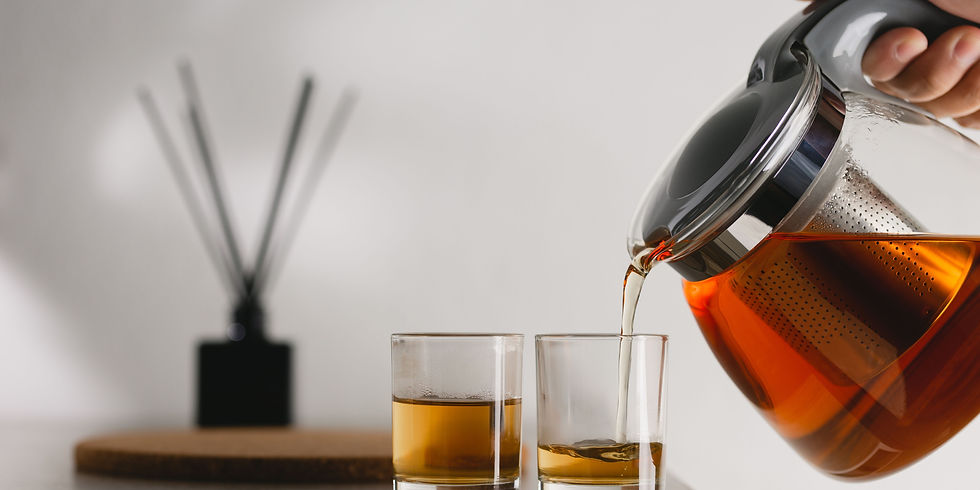
I generally recommend drinking most of your water at room temperature or warm, particularly around meals.
Warm water and herbal teas can also be a comforting choice if you tend to experience digestive discomfort.
DON’T: Put Ice in Everything
In Chinese medicine, digestion is often compared to a cooking pot that needs warmth to properly transform food.
Constantly adding very cold or icy drinks isn't something I typically recommend for someone with signs of weak or sluggish digestion.
You don't need to obsess over the temperature of every sip of water—but if you're experiencing digestive problems, try skipping the ice for a few weeks and see how you feel.

4. DO: Hydrate Throughout the Day
Rather than realizing at dinner that you've barely had anything to drink, make hydration something you do consistently throughout your day.
If you enjoy it, a cup of warm water or herbal tea after a meal can also be a nice addition to your routine.
DON’T: Gulp Large Amounts of Liquid With Your Meals
You don't need to completely avoid drinking while you eat. Small amounts of water with a meal are perfectly reasonable.
But drinking a very large beverage quickly alongside your meal may leave some people feeling overly full or bloated.
Instead, focus on getting most of your hydration between meals and simply sip as needed while eating.

5. DO: Sit Down and Relax While You Eat
How many times have you eaten lunch while answering emails, driving somewhere or standing over the kitchen counter?
Your nervous system matters when it comes to digestion.
Your parasympathetic nervous system is sometimes called your "rest and digest" system because it helps regulate digestive activity when your body isn't responding to a perceived threat.
Try actually sitting down for your meals. Put your phone away, take a few breaths and give your body a chance to focus on eating.
DON’T: Make Eating While Stressed Your Normal
Occasionally eating during a stressful day is unavoidable.
But chronically rushing through meals while you're anxious, angry, working or distracted can affect digestive function and may aggravate symptoms in people with sensitive digestive systems.
If you're feeling particularly wound up, take a minute or two to settle yourself before you start eating.

6. DO: Slow Down and Chew Your Food
Digestion really does begin in the mouth.
Chewing mechanically breaks food into smaller pieces, while saliva begins the digestive process before your food ever reaches your stomach.
Try putting your fork down occasionally and actually tasting your food instead of racing through the meal.
DON’T: Scarf Down Your Food
Eating too quickly makes it easier to swallow excess air and can contribute to uncomfortable fullness, belching and bloating.
It can also mean you've finished an entire meal before your body has had much time to register that you're satisfied.
Slow down. Chew. And give your digestive system a little time to do its job.
💡 Dr. Stephanie’s Tip: If you're struggling with bloating or digestive discomfort, don't try to change everything at once. Start with something simple.
For the next week, try eating more warm, cooked meals, skipping the ice in your drinks and sitting down without your phone while you eat.
Sometimes the basics make a bigger difference than we realize.
When Digestive Symptoms Keep Coming Back
Occasional digestive symptoms happen to everyone. But if bloating, reflux, constipation, loose stools, abdominal discomfort or food reactions have become part of your everyday life, it's worth looking deeper.
In my practice, I use Chinese medicine, acupuncture and functional medicine to look at the bigger picture—including diet, stress, lifestyle and patterns that may be contributing to your digestive symptoms.
You shouldn't have to plan your entire day around how your stomach is going to feel.


Comments