


What Is “Dampness” in Chinese Medicine? (And How to Clear It Naturally)

If you’ve ever felt bloated, sluggish, puffy, or just “off” in your body, Chinese medicine might describe what you’re experiencing as dampness. While that term may sound unfamiliar, the concept is surprisingly relatable. When you understand it, it can completely change how you approach your health.

What Is Dampness?
In Traditional Chinese Medicine (TCM), dampness refers to an accumulation of fluid and metabolic waste that the body isn’t properly transforming or eliminating. Think of it this way: your body is designed to process fluids efficiently. When that system slows down, things begin to back up. This buildup creates heaviness, stagnation, and inflammation.
In Western terms, dampness can show up as sluggish digestion, water retention, chronic bloating, brain fog, fatigue, weight gain or difficulty losing weight, candida or yeast overgrowth, sinus congestion, and overall inflammation. It’s not a single diagnosis, but rather a pattern of imbalance that can affect multiple systems in the body.
Why Does Dampness Happen?
In Chinese medicine, the Spleen system is responsible for digestion and fluid metabolism. This concept is broader than the anatomical spleen in Western medicine and includes overall digestive function. When this system becomes weakened, dampness begins to accumulate.
Common causes include: eating too many cold or raw foods, excess sugar and refined carbohydrates, dairy products, alcohol, overeating or eating late at night, chronic stress, worry, overthinking, lack of movement, and poor sleep. These are many of the same lifestyle factors that, in Western medicine, contribute to gut dysfunction, insulin resistance, and inflammation.

Signs You May Have Dampness
You don’t need to have all of these symptoms, but if several sound familiar, dampness may be a contributing factor. Common signs include feeling heavy or sluggish, especially in the morning, bloating after meals, loose or sticky stools, brain fog, puffiness or swelling, frequent mucus or sinus congestion, a coated tongue that is swollen with teethmarks, and difficulty losing weight despite healthy habits.
How to Clear Dampness Naturally
The goal is to strengthen digestion, reduce what creates dampness, and support the body’s natural elimination processes.
Reduce Damp-Producing Foods
You don’t need to eliminate these foods completely, but reducing them can make a noticeable difference. Limit sugar, refined carbohydrates, dairy, fried or greasy foods, alcohol, and excessive cold foods like smoothies and iced drinks.
Focus on Warm, Cooked Foods
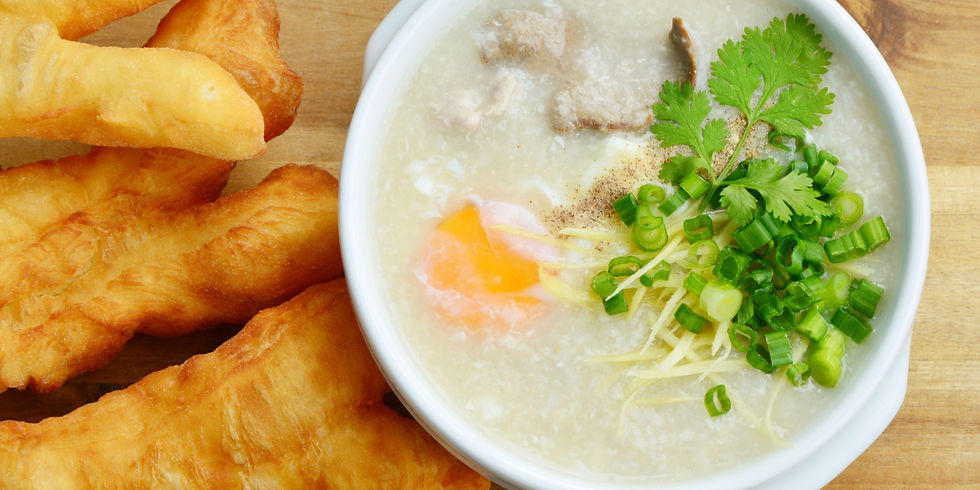
Your digestive system functions more efficiently when it doesn’t have to work as hard. Cold and raw foods require more energy to break down and can contribute to dampness. Prioritize soups, stews, lightly cooked vegetables, stir-fries, and warm breakfasts such as eggs with sautéed vegetables or congee. Add warming spices like cinnamon, nutmeg and ginger with your meals.

Add Foods That Help Drain Dampness
Certain foods support digestion, reduce inflammation, and help your body process excess fluid more efficiently. Focus on warm, cooked, easy-to-digest foods:
Vegetables (especially cooked)
Sweet potatoes
Butternut squash, acorn squash, delicata squash
Pumpkin
Carrots
Parsnips
Turnips
Zucchini
Asparagus
Green beans
Celery
Mushrooms
Leafy & cruciferous vegetables
Arugula
Kale (lightly cooked)
Spinach (cooked is easier to digest)
Broccoli
Cauliflower
Brussels sprouts
Whole grains (in moderation, gluten-free preferred)
Quinoa
White or brown rice
Millet
Oats (best warm, like oatmeal)
Protein sources
Chicken
Turkey
Wild-caught fish (like salmon or cod)
Eggs (if tolerated)
Lentils and beans (best well-cooked and in smaller amounts if bloating is present)
Foods that actively help “dry” dampness
Ginger
Garlic
Onions
Leeks
Scallions
Radishes
Daikon
Parsley
Cilantro
Simple beverages that support digestion
Warm water (instead of ice water)
Ginger tea
Peppermint tea
Dandelion tea
Support Your Gut
From a functional medicine perspective, dampness often overlaps with gut imbalances such as dysbiosis, candida overgrowth, sluggish digestion, and low enzyme production.
Simple strategies include eating slowly, chewing thoroughly, avoiding overeating, spacing meals instead of constant snacking, and supporting digestion when needed.
Move Your Body Daily
Movement helps circulate fluids and prevent stagnation. Consistent activity such as walking, strength training, yoga, or stretching can support overall metabolism and reduce dampness.
Manage Stress
Stress has a direct impact on digestion and fluid metabolism. In Chinese medicine, stress disrupts the flow of energy in the body, which contributes to the buildup of dampness. Incorporating stress management practices such as deep breathing, acupuncture, meditation, or spending time outdoors can be very helpful.
Prioritize Sleep
Sleep is essential for proper metabolic function. Aim for a consistent sleep schedule, 7 to 8 hours of sleep per night, and reduced screen time before bed.
Consider Acupuncture and Herbal Medicine
Chinese medicine offers effective tools for addressing dampness at the root. Acupuncture can help regulate digestion and fluid metabolism, while customized herbal formulas support the body in transforming and eliminating dampness. Functional medicine testing can also be used when appropriate to identify underlying imbalances.
What You Should Know
Dampness is your body’s way of signaling that it is not processing fluids and nutrients efficiently.
When you support digestion, improve nutrition, reduce inflammation, and optimize your lifestyle, you may begin to feel lighter, clearer, more energized, and less bloated.
Ready to Feel Like Yourself Again?
If you’re dealing with bloating, fatigue, stubborn weight, or chronic inflammation, there is often a deeper root cause. At New Direction Natural Medicine, we take a personalized and integrative approach to help you uncover and address those root causes so you can feel your best.


Comments