


How to Reduce Anxiety Naturally: 4 Tips I Recommend to My Patients

Updated: Sep 4
As a holistic doctor, acupuncture and Chinese herbal medicine are two of the main treatments I use to help my patients struggling with anxiety. But I also believe that what you do between treatments matters.
To enhance my patients' results, I always recommend home care because sometimes the things we do on a daily basis can actually be contributing to anxiety without us realizing it.
Stress, poor sleep, too much caffeine, alcohol, lack of movement, and the foods we eat can all influence how our nervous system feels.
The good news is that there are simple things you can start doing at home to support a calmer nervous system.
Here are my top 4 tips I recommend to my patients to help reduce anxiety naturally.

Tip #1: Meditate Daily
Meditation is a great way to start and/or end a stressful day.
Research suggests that meditation and mindfulness practices can help reduce stress and anxiety while supporting emotional well-being, attention, and sleep.
But here's something I always remind my patients:
Meditation doesn't have to mean sitting perfectly still with your eyes closed and trying not to think.
It can be anything that feels meditative to you, such as:
Painting
Dancing
Yoga
Playing an instrument
Singing
Walking outside
Listening to your favorite music
Practicing slow breathing
Following a guided meditation
Many of my patients love to meditate while they are getting acupuncture because they are already in a calm and relaxed state without outside distractions, so it is a perfect time.
If you're new to meditation or have trouble quieting your mind, I suggest starting with a short guided meditation.
You don't have to start with 30 minutes. Even five minutes is a great place to begin.
And remember—the goal isn't necessarily to make your mind completely blank. It's learning how to notice your thoughts without getting pulled into every single one of them.

Tip #2: Exercise Regularly
When your anxiety is high, you may not feel like exercising, but movement may be exactly what your body needs.
Regular exercise can support mood, help regulate your body's stress response, improve sleep, and promote the release of neurotransmitters and endorphins associated with feeling good.
Exercise is also a great way to get out of your head and back into your body.
If you've spent the entire day worrying, overthinking, or feeling tense, taking a walk or doing a workout gives your brain something else to focus on.
But you don't need to exhaust yourself.
Find a type of movement you actually enjoy and can be consistent with.
That might be:
Strength training
Walking
Yoga
Pilates
Cycling
Swimming
Dancing
Hiking
Personally, I'm a big fan of strength training, especially for women in their 40s and beyond. But the best exercise for anxiety is one you'll actually continue doing.
If you're lacking motivation, work out with a friend or family member, take a class, or hire a trainer to help keep you accountable.
Consistency is much more important than trying to do the “perfect” workout.

Tip #3: Pay Attention to Caffeine, Alcohol & Nicotine
Sorry, I know this is probably the tip nobody wants to hear—but let me explain.
Caffeine
Caffeine is a stimulant, and if you're already prone to anxiety, too much can make you feel jittery, restless, wired, or like your heart is racing.
Some people tolerate caffeine perfectly well. Others notice a huge difference in their anxiety when they reduce it.
And pay attention to when you're drinking it.
I don't recommend drinking coffee on an empty stomach first thing in the morning. Have some food—especially protein—with or before your coffee rather than relying on caffeine to get you through the morning.
If caffeine makes your anxiety worse, try reducing your intake or switching to decaf coffee, decaffeinated green tea, or herbal tea.
Alcohol
Alcohol can feel relaxing initially, which is why it's so easy to reach for a glass of wine after a stressful day.
The problem is what happens later.
Alcohol can disrupt sleep and affect your nervous system as your body metabolizes it. Some people notice significantly more anxiety—or that familiar “hangxiety” feeling—the following day.
If you've noticed that connection, pay attention to it.
Try sparkling water with fresh lemon or lime, a mocktail without a ton of added sugar, or a relaxing cup of herbal tea instead.
Nicotine
Smoking may feel calming in the moment, but nicotine is also a stimulant and can reinforce a cycle of withdrawal and temporary relief that feels like stress reduction.
Rather than replacing cigarettes with another inhaled product, work on creating a different stress ritual altogether.
Go for a short walk. Practice slow breathing. Make tea. Call someone. Stretch. Use acupressure.
The goal is to give your nervous system another way to respond to stress.
Tip #4: Eat an Anti-Anxiety Diet
What you eat isn't the only factor involved in anxiety, but nutrition can absolutely influence how you feel.
Blood sugar fluctuations, inadequate protein, excessive caffeine or alcohol, nutrient deficiencies, and an overall poor-quality diet can all affect energy, sleep, mood, and stress resilience.
The gut-brain connection is another important piece.
Your digestive system and brain communicate continuously through what's known as the gut-brain axis, and your gut microbiome is involved in many processes that can influence brain and nervous-system function.
So, what does an “anti-anxiety diet” look like?
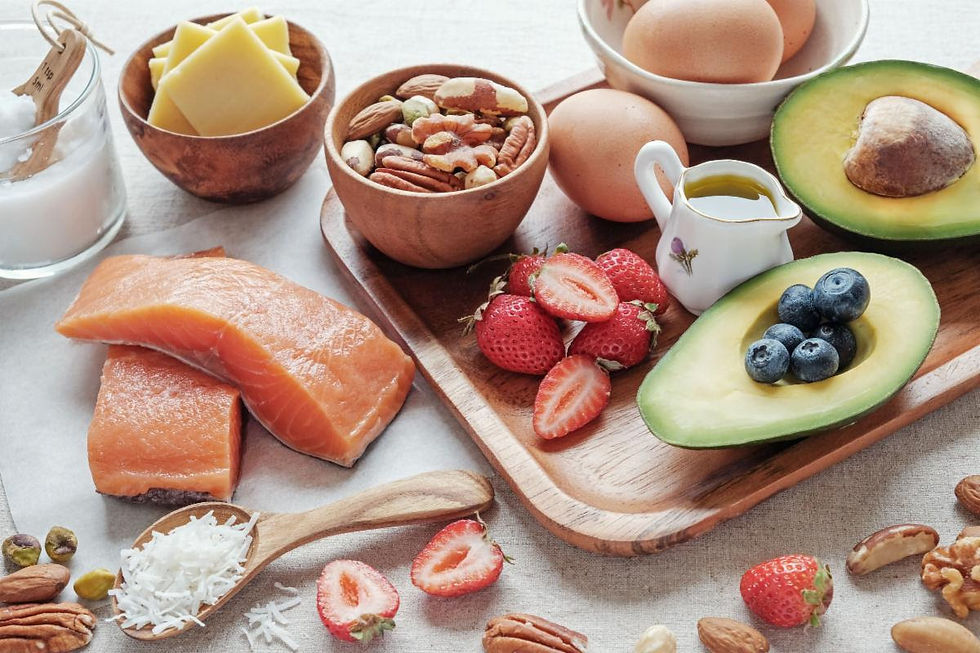
I recommend focusing on whole, nutrient-dense foods that provide adequate protein, healthy fats, fiber, vitamins, minerals, and phytonutrients.
Protein
Include quality protein throughout the day to support stable energy and provide amino acids your body needs.
Some of my favorites include:
Wild-caught salmon, eggs, sardines, turkey, chicken, trout, and other quality proteins.
Healthy Fats
Don't be afraid of healthy fats.
Include foods such as:
Avocado, extra virgin olive oil, walnuts, chia seeds, pumpkin seeds, and fatty fish.
Omega-3 fatty acids are particularly important for brain health.
Fruits & Vegetables
Aim for plenty of colorful produce, including:
Blueberries, bananas, citrus fruits, avocado, arugula, asparagus, kale, spinach, bell peppers, and Swiss chard.
Variety is important because different plant foods provide different vitamins, minerals, antioxidants, and fibers.
Nuts & Seeds
Almonds, pumpkin seeds, chia seeds, Brazil nuts, and walnuts are easy ways to add healthy fats, minerals, and fiber to your diet.
Fermented Foods
If you tolerate them well, fermented foods such as sauerkraut, kimchi, and yogurt with live cultures can be another way to add variety to your diet and support the gut microbiome.
If you're dairy-free, choose an unsweetened dairy-free yogurt with live active cultures instead.
Don't Forget About Blood Sugar
This is something I talk about much more now when discussing nutrition and anxiety.
Going for long periods without eating and then relying on coffee or sugary foods can leave some people feeling shaky, irritable, wired, or anxious.
Try building meals around:
Protein + fiber-rich carbohydrates + healthy fats
For example, instead of having coffee and nothing else for breakfast, try eggs with vegetables and avocado, oatmeal with protein and berries, or another balanced breakfast that works for you.
You don't need a perfect diet. You need a way of eating that helps you feel stable, nourished, and energized throughout the day.
Where Acupuncture Fits In
Lifestyle changes are important, but sometimes you need more support.
Acupuncture is one of my favorite treatments for patients who feel like their nervous system is constantly stuck in “on” mode.
Treatment is individualized because anxiety doesn't look the same in every person.
One patient may experience racing thoughts and insomnia. Another may have digestive symptoms, muscle tension, heart palpitations, irritability, or that constant feeling that they can't fully relax.
In Chinese medicine, I look at the entire pattern—including your sleep, digestion, energy, emotions, menstrual cycle, tongue, and pulse—rather than treating anxiety as an isolated symptom.
Chinese herbal medicine may also be incorporated when appropriate based on your individual pattern.
💡 Dr. Stephanie's Tip: Start with the habit that's most likely contributing to your anxiety—not the habit that's easiest to change.
If you're drinking four cups of coffee every day and barely eating until lunchtime, adding five minutes of meditation probably isn't going to address the whole picture.
Look at your routine.
How are you sleeping? How much caffeine are you drinking? Are you eating enough? Are you moving your body? Are you giving yourself any time when you're not working, scrolling, or taking care of everyone else?
Sometimes the most effective changes are also the simplest.
You Don't Have to Change Everything at Once
If you're trying to reduce anxiety naturally, don't turn your wellness routine into another source of stress.
Pick one or two things and start there.
Take a walk. Eat breakfast before your second cup of coffee. Try a five-minute guided meditation before bed. Reduce alcohol for a couple of weeks and notice how you sleep and feel. Add strength training a few days per week.
Small changes done consistently can make a much bigger difference than an elaborate routine you abandon after a week.
And if you feel like you've tried everything but your nervous system still won't settle down, it may be time for a more individualized approach.
At New Direction Natural Medicine, I use acupuncture, Chinese herbal medicine, and functional medicine to help uncover the patterns and underlying factors that may be contributing to anxiety and chronic stress.


Comments